Glass for a City Built on Centuries: Architectural Glass Solutions for Boston
Precision glass systems for a city where colonial heritage and biotech ambition share the same block.
Boston is unlike any other city in North America. Where else do glass-and-steel innovation campuses in the Seaport Innovation District sit within walking distance of Federal-period rowhouses on Beacon Hill, or where MIT’s modernist campus presses up against Victorian triple-deckers in Cambridge? Designing and building here demands a material sophistication that respects centuries of craftsmanship while meeting the exacting performance standards of a city driving 21st-century science, medicine, and finance. At TCG Glass, we engineer custom glass systems that speak both languages fluently.
Boston’s built environment presents specific challenges: masonry load-bearing facades that limit structural modifications, strict Landmarks Commission oversight in neighbourhoods like the South End and Charlestown, and a brutal four-season climate that demands real thermal performance. We partner with Boston’s leading architects, historic preservation specialists, and developers to deliver
architectural glass solutions engineered for New England’s demands—and its discerning eye for craft.
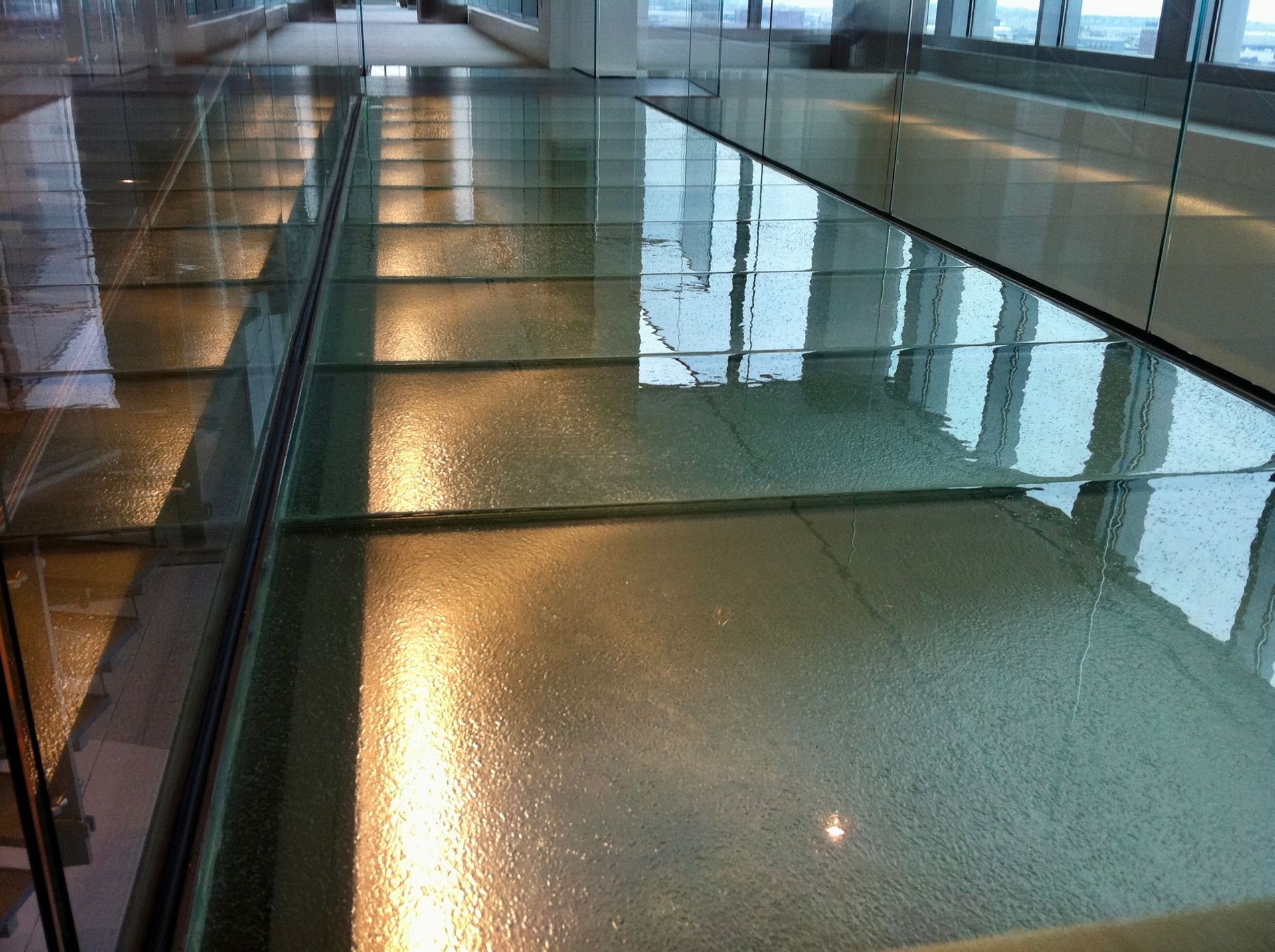
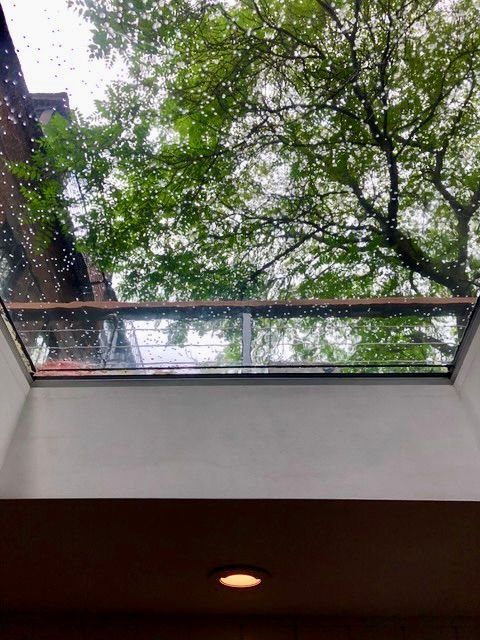
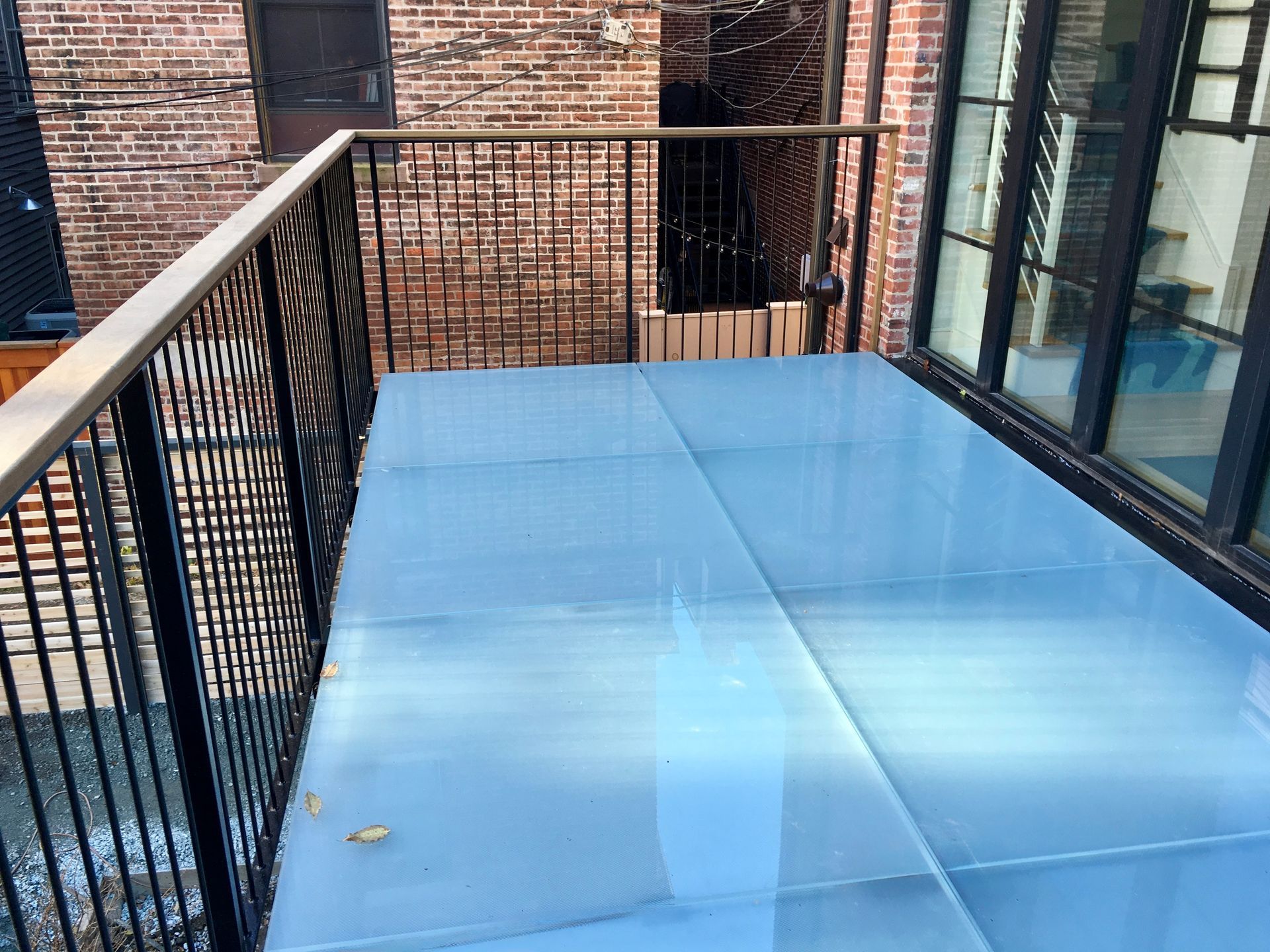
Glass Flooring & Walkable Skylights: Bringing Light into Boston’s Deep Floorplates
Boston’s historic building stock—narrow Back Bay townhouses, converted Leather District warehouses, labyrinthine hospital campuses—often suffers from light-starved interior spaces where exterior windows are limited and floor plans run deep. Our glass flooring and walkable glass skylight systems are precision tools for solving exactly this problem.
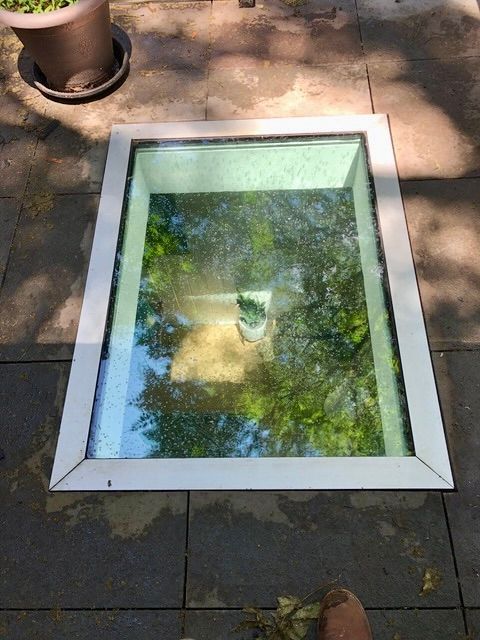
- Brownstone & Rowhouse Integration: We design glass floor panels and lightwells that introduce natural light to basement and garden-level apartments in Back Bay, South End, and Beacon Hill—without disturbing the period masonry above. Each installation is engineered around the existing floor joist structure, requiring no primary structural intervention.
- New England Thermal Performance: Boston winters are serious. Our insulated, low-emissivity glass systems are optimised for the city’s climate zone, minimising thermal bridging and condensation in heated interior applications while maintaining the optical clarity that makes glass floors so compelling.
- Institutional-Grade Durability: Boston’s world-renowned hospitals, universities, and biotech campuses demand materials that perform under extraordinary foot traffic. Our anti-slip, laminated glass panels meet the loading requirements of busy public atria, academic research buildings, and corporate headquarters alike.
- Heritage Conservation Compliance:
We work directly with Boston Landmarks Commission and Massachusetts Historical Commission requirements, ensuring every installation in a historic district meets preservation standards—in writing, not just in spirit.
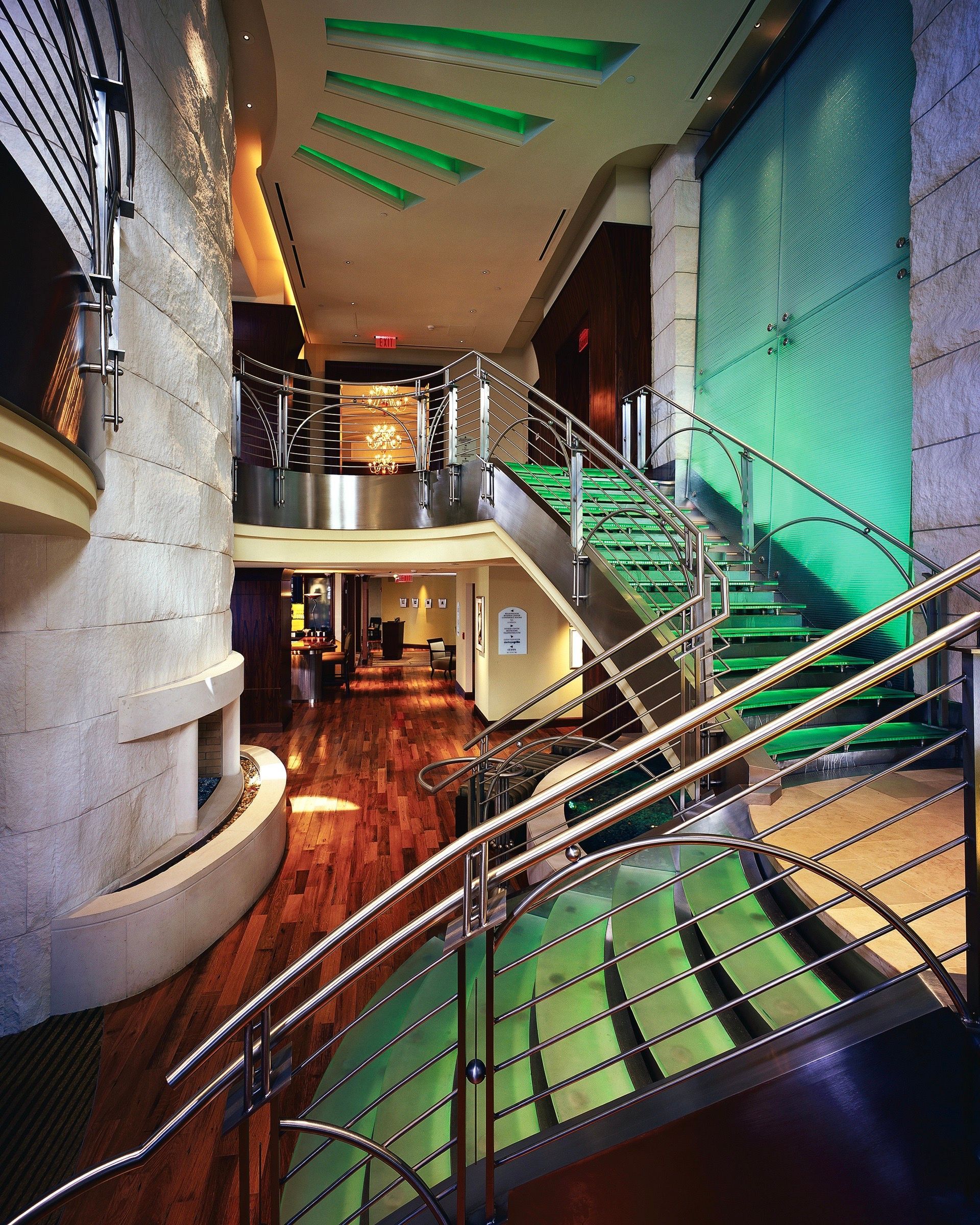
Sculptural Glass Staircases: Vertical Connections in a Horizontal City
Boston is a low-rise city by global standards—its skyline shaped less by height than by the intricate layering of neighbourhoods at the human scale. In this context, the interior staircase carries outsized importance. It is the connective tissue between floors in a converted warehouse loft in Fort Point, the centrepiece of a research atrium in Kendall Square, or the quiet statement of craft in a Newton Centre family home.
- Industrial Loft Conversions: In the Fort Point Channel neighbourhood and the Innovation District, our floating glass treads and open-riser systems complement exposed brick and timber beams with material contrast that feels intentional—not imported. The transparency of structural glass preserves the visual depth of double-height spaces.
- Life Sciences & Academic Campuses: For Kendall Square biotech buildings and Boston’s research hospitals, a glass staircase communicates openness and collaborative culture—values that are as functional as they are symbolic for institutions that recruit globally. Our staircases meet the structural and egress code requirements of Massachusetts State Building Code for institutional occupancy.
- Townhouse Centrepieces: In Beacon Hill, Louisburg Square, and Chestnut Hill, we design bespoke glass staircases that honour the proportions and detailing of historic interiors while introducing a contemporary material dialogue. Every tread profile and balustrade detail is custom-drawn for the specific stair geometry.
- Custom-Engineered to Code:
Massachusetts and City of Boston building codes have specific requirements for structural glass assemblies. Our engineering team produces stamped drawings and full documentation for permitting, working with your architect of record throughout the approval process.
Bespoke Cast Glass: Texture as a Form of Local Memory
Boston is a city saturated with texture—the rough granite of Government Center, the herringbone brick of Acorn Street, the weathered brownstone of Commonwealth Avenue. Our kiln-formed cast glass can absorb and reinterpret these surface languages, creating architectural elements that feel rooted in the place where they’re installed.
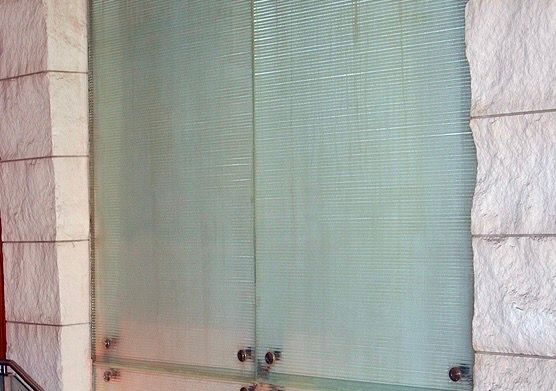
- Locally Inspired Pattern Work: We develop custom glass textures drawn from Boston’s material heritage: the rippled surface of Victorian rolled glass, the coursed geometry of Quincy granite, the harbour water’s light. These become privacy panels, feature walls, and room dividers that carry a specific sense of place.
- Hospitality & Cultural Institutions: Boston’s thriving restaurant, hotel, and cultural sector—from the newly redeveloped Faneuil Hall Marketplace to boutique hotels in the South End—demands interiors that tell a coherent story. Our cast glass creates ambient privacy and extraordinary visual richness without sacrificing the openness modern hospitality design requires.
- Backlit Feature Elements:
Reception desks, bar fronts, and building directories in slumped and kiln-formed glass, internally illuminated for effect—durable enough for daily commercial use, striking enough to be a landmark in their own right.
Antique Mirrors: Warmth Within Rigorous Architecture
Boston has always valued restraint. Its finest interiors—Georgian dining rooms, Arts and Crafts parlours, mid-century academic halls—achieve their effect through proportion and material quality rather than ostentation. Our hand-silvered antique mirrors share this sensibility: they add warmth and historical resonance without tipping into pastiche.
- Period-Matched Finishes for Historic Homes: In Greek Revival and Federal-period homes across Cambridge, Brookline, and the historic neighbourhoods of Boston proper, we tailor the oxidation and silvering process to complement existing mirror and glass details. The result reads as original, not replacement.
- Academic & Club Interiors: Boston’s storied private clubs, faculty clubs, and alumni spaces benefit from the gravitas that genuinely aged mirror surfaces provide. We produce large-format antique mirror panels for panelled rooms and formal dining spaces, with framing profiles drawn from the existing architectural millwork.
- Contemporary Contrast:
In the Seaport’s newer hospitality and retail spaces, a single wall of carefully distressed mirror adds the material depth and sense of time that new construction otherwise lacks—grounding a contemporary interior in something that feels considered and unhurried.
Shaping Boston’s Built Environment
TCG Glass is proud to contribute to Boston's most innovative and inspiring projects.
Partner with New England’s Architectural Glass Specialists
Building in Boston means navigating historic preservation requirements, rigorous structural engineering standards, and clients who have grown up around some of the finest architecture in North America. TCG Glass delivers custom-certified architectural glass solutions that meet Massachusetts building codes, satisfy Landmarks Commission requirements, and earn the approval of the most exacting design professionals—backed by decades of technical expertise and a genuine understanding of what makes this city architecturally distinct.