Glass Flooring in Luxury Resorts: What Designers Are Really Using
Featuring Overwater Bungalows and High-End Hospitality Projects
1) The Stakes: Why Glass Flooring Matters in Luxury Hospitality
In luxury hospitality, design is no longer just about aesthetics, it is about experience.
For architects and developers designing high-end resorts, every material choice contributes to perceived value, guest memory, and brand differentiation. Glass flooring has emerged as one of the most powerful tools for achieving all three.
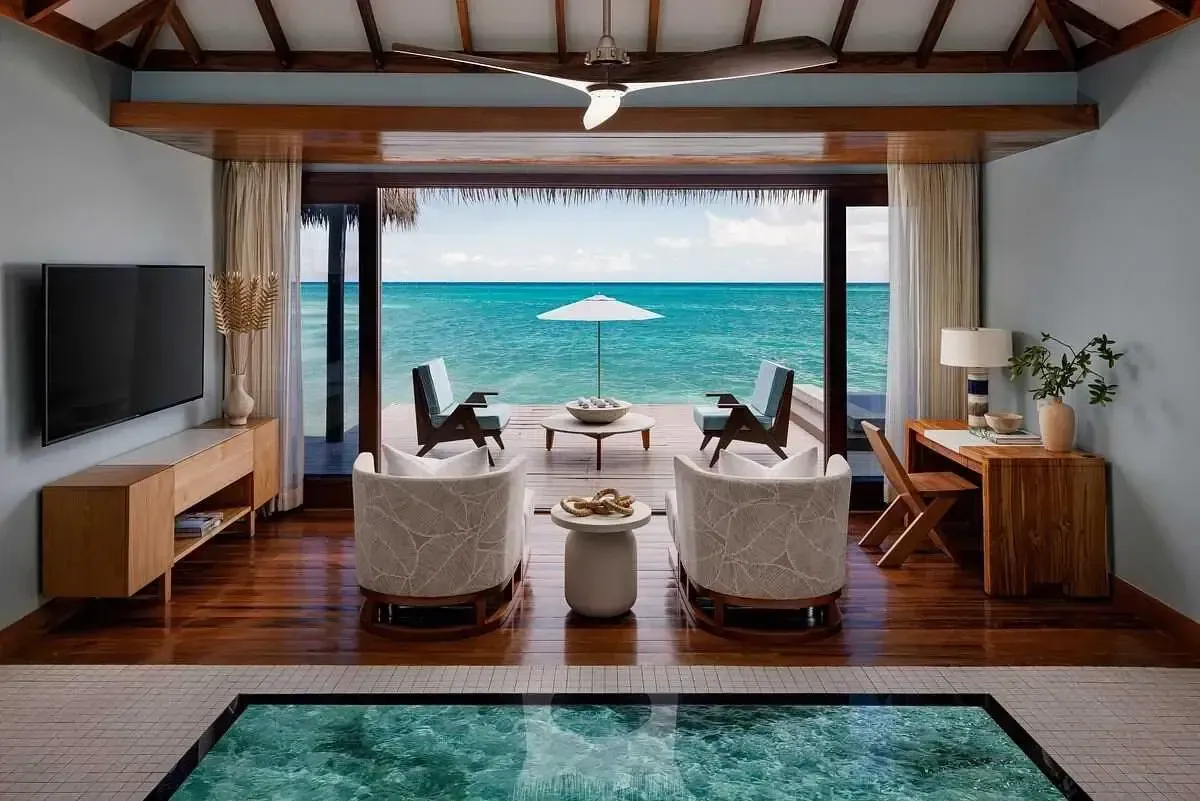
From overwater villas to elevated lounge spaces, glass floors create something rare in design, a direct emotional connection between the guest and the environment.
One of the most recognizable examples appears in overwater bungalows popularized by brands like Sandals Resorts, where guests can look straight into the ocean from their room.
This is not just design. It is an engineered experience.
2) The Misconception: Not All Glass Floors Are the Same
Here is where most projects go wrong.
Glass flooring is often perceived as a decorative feature. In reality, it is a structural system.
The difference between a successful installation and a long-term liability comes down to engineering, not appearance.
Key truth:
A glass floor that looks identical on day one can perform completely differently over time depending on how it was designed and built.
3) What Professionals Do Differently
High-performance projects follow a fundamentally different approach.
They treat glass flooring as a load-bearing system from the beginning, not an afterthought.
This means integrating:
- Structural engineering early in design
- Load calculations based on real use conditions
- Material selection based on performance, not cost alone
- Fabrication and installation by experienced specialists
This is where experienced teams, like TCG Glass, separate from general glazing providers.
4) How Glass Flooring Systems Are Engineered
A true glass flooring system is not a single pane of glass.
It is a laminated, multi-layer structural assembly designed to meet strict safety and performance requirements.
Typical System Components
- Multiple layers of laminated glass
- Structural interlayers for load transfer
- Engineered support framing
- Anti-slip walking surfaces
Designed to Handle Real-World Conditions
- Live loads, foot traffic and occupancy
- Dynamic loads, movement and vibration
- Impact resistance, dropped objects and point loads
Industry standards such as ASTM International (ASTM C1172) and CPSC 16 CFR 1201 define safety requirements for laminated and safety glazing systems.
Additionally, deflection limits such as L/500 ensure the floor feels solid underfoot, not flexible or unstable.
5) Why Designers Choose Glass Flooring
When engineered correctly, glass flooring delivers multiple design advantages:
- Creates a direct visual connection to water or lower levels
- Brings natural light deeper into interior spaces
- Elevates perceived luxury and uniqueness
- Enhances guest experience and memorability
In resort environments, this often becomes the defining feature of a space.
6) Where Projects Fail
Most glass flooring failures are not design failures. They are execution failures.
Common Issues
- Under-engineered glass thickness
- Incorrect lamination materials
- Poor edge support or framing
- Lack of slip resistance
- Inexperienced fabrication or installation
What failure looks like in real life:
- Noticeable flex underfoot
- Surface becoming slippery in wet conditions
- Delamination over time
- Structural concerns at support edges
These are preventable problems, but only when the system is treated correctly from the start.
7) High-Performance vs Decorative Glass Flooring
Not all glass floors are built for the same purpose.
Decorative Systems
- Designed primarily for appearance
- Limited structural capacity
- Lower durability over time
Structural Glass Flooring Systems
- Engineered for load-bearing performance
- Designed to meet safety standards
- Built for long-term durability
- Integrated into the building structure
Key takeaway:
Glass flooring is not a product you select. It is a system you engineer.
8) Applications Beyond Luxury Resorts
While overwater bungalows are the most iconic example, glass flooring is widely used across high-end environments:
- Luxury residential homes
- Retail flagship stores
- Museums and exhibit spaces
- Office environments
- Rooftop decks and skylights
Anywhere designers want to combine light, transparency, and impact, glass flooring becomes a strategic choice.
9) When Glass Flooring Makes Strategic Sense
Glass flooring is most effective when used intentionally.
It works best in:
- Experience-driven spaces
- Areas where natural light transfer is valuable
- Environments positioned as premium or luxury
- Architectural features meant to create a focal point
Used correctly, it becomes a differentiator. Used incorrectly, it becomes a risk.
10) Work With Experts Who Engineer the Outcome
The glass floor you see in a luxury resort may look simple. Behind it is a complex system of engineering, fabrication, and installation.
The difference between a feature that elevates a space and one that creates long-term issues comes down to expertise.
TCG Glass engineers glass flooring systems to meet strict performance and safety standards while aligning with the design intent of each project.
If you are considering glass flooring, the most important decision is not the material.
It is the team designing the system.
Glass flooring in luxury resorts is no longer a novelty feature, it is a high-performance design system that blends engineering with experience.
From overwater bungalows to retail and residential applications, structural glass flooring delivers unmatched visual impact when properly designed.
However, not all systems are created equal. The success of a project depends on engineering quality, material selection, and execution.
For architects, designers, and developers, understanding the difference between decorative and structural systems is critical to achieving both safety and long-term performance.
Glass Flooring FAQ's
| Question | Answer |
|---|---|
| Is glass flooring safe for high-traffic areas? | Yes, when properly engineered. Structural glass flooring systems are designed to meet strict safety standards, including laminated construction and load requirements for commercial use. |
| What makes structural glass flooring different from decorative glass? | Structural systems are engineered to support live and dynamic loads, while decorative glass is typically not designed for long-term load-bearing performance or heavy use. |
| Does glass flooring become slippery? | Not when designed correctly. High-quality systems include anti-slip surface treatments that meet safety requirements, even in wet environments like resorts. |
| How thick is glass flooring typically? | Thickness varies based on span and load requirements, but most systems use multiple laminated layers to achieve the necessary strength and safety performance. |
| Where is glass flooring most commonly used? | Glass flooring is widely used in luxury resorts, residential homes, retail stores, museums, and offices where visual impact and light transmission are important. |
| How long does a glass flooring system last? | When engineered and installed correctly, glass flooring systems are designed for long-term durability and can perform reliably for decades with proper maintenance. |